Trauma Therapy for First Responders and High-Stress Professions
First responders and public safety professionals encounter situations most people will never experience. Over time, repeated exposure to trauma, high operational stress, and unpredictable schedules can take a real toll — affecting sleep, relationships, and overall well-being.
Many of the people I work with are highly capable professionals who are used to handling difficult situations on their own. Therapy isn’t about questioning that strength. It simply provides a place to process the things that don’t easily stay at work — the cumulative stress, critical incidents, and experiences that come with the profession.
Many first responders understandably have concerns about confidentiality when considering therapy. Creating a space where you can speak openly and safely is a priority in my practice.
---
About Me
I began working in the mental health field in 2000 and earned my Master’s degree in Counseling Psychology from Chapman University in 2003.
Over the past two decades I have worked in nonprofit agencies, child welfare, crisis response, community mental health, and hospice care — serving both as a therapist and program coordinator.
I opened my private practice in 2009 and transitioned to full-time private practice in 2017. My current work focuses primarily on trauma treatment for individuals in high-stress professions and those navigating occupational injury claims.
Throughout my career I have remained committed to ongoing professional development. In addition to meeting Washington State licensing requirements, I have completed well over 200 hours of continuing education in areas including trauma treatment, grief and loss, clinical ethics, depression, child and adolescent mental health, and specialized therapeutic modalities. This ongoing training allows me to continually refine my clinical skills and integrate current evidence-based practices into my work.
---
Experience with First Responders
I hold the Emergency Responder Public Safety Certification (2026), which includes:
* 40 hours of responder-focused coursework
* 16 hours of structured ride-along field experience
* Professional recommendations from colleagues familiar with my clinical work
I have provided more than 500 hours of therapy specifically to first responders and have completed field immersion with fire service personnel and 911 dispatch. I continue to expand my operational understanding through additional ride-alongs with law enforcement agencies.
This training and field exposure provide a practical understanding of:
* Operational tempo and shift work dynamics
* Critical incident exposure and cumulative trauma
* Hypervigilance and difficulty transitioning off duty
* Department culture and peer expectations
* Confidentiality concerns within public safety systems
* The impact of the profession on spouses, partners, and families
Public safety work rarely affects only the individual in the uniform. Shift schedules, operational stress, and cumulative trauma can significantly influence family life and relationships. I work with many clients who are navigating both the professional and personal impact of this work.
---
How I Help
I use several evidence-based therapies that are effective for trauma, occupational stress, anxiety, depression, and performance-impacting symptoms.
Eye Movement Desensitization and Reprocessing (EMDR & EMDR 2.0)
EMDR is a structured, research-supported therapy that helps the brain reprocess traumatic memories so they no longer carry the same emotional and physiological intensity. While focusing briefly on distressing experiences, clients engage in bilateral stimulation, such as guided eye movements, which helps the nervous system resolve stored trauma responses.
EMDR is highly effective for PTSD, critical incident stress, and cumulative trauma exposure.
Accelerated Resolution Therapy (ART)
Accelerated Resolution Therapy is an evidence-based eye movement therapy designed to resolve traumatic memories efficiently. Many clients experience significant relief in one to two sessions.
ART can be effective for trauma, anxiety, depression, OCD, substance use concerns, and phobias.
I am an active member of the International Society of Accelerated Resolution Therapy.
Cognitive Processing Therapy (CPT)
CPT is a structured trauma treatment that helps identify and shift “stuck points” — beliefs that can develop after traumatic experiences and keep individuals feeling trapped in distressing interpretations about themselves, others, or the world.
CPT is commonly used to treat trauma, moral injury, depression, and anxiety.
Dialectical Behavior Therapy (DBT)
DBT focuses on practical skills for emotional regulation, distress tolerance, and interpersonal effectiveness. These tools can be particularly helpful for individuals managing intense emotional responses, relationship strain, or chronic stress.
Cognitive Behavioral Therapy (CBT)
CBT helps identify and reshape unhelpful thought patterns that influence mood, behavior, and decision-making. It is widely used to treat anxiety and depression and can be integrated into trauma-focused work.
---
Working with L&I Claims
I work with individuals navigating Washington State L&I claims.
Occupational injury cases often involve complex documentation requirements, coordination with multiple providers, and additional stress related to the claim process. I understand these challenges and maintain a clinically focused approach while supporting necessary communication within the L&I system when needed.
---
Professional Leadership & Affiliations
* Board Member, Wild Grief (2016–present)
* Vice President, Wild Grief (2021–2022)
* President, Wild Grief (2022–present)
* Member, International Society of Accelerated Resolution Therapy (2023–present)
---
What to Expect
Therapy is structured, collaborative, and tailored to your professional and personal needs.
Sessions are confidential, focused, and designed to help reduce the long-term impact of trauma exposure so you can continue functioning at your highest level — both on duty and off.
I consider it a privilege to work with individuals who dedicate their careers to protecting and serving others.
---
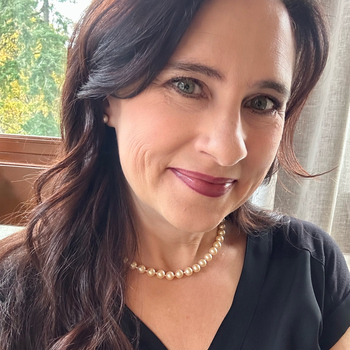
Michelle Schuyleman, MA, LMHC, ERPSCC
Licensed Mental Health Counselor
